Best L2 Private Servers: Play Top Lineage 2 Servers Now
The best Lineage 2 private servers depend entirely on your preferred gameplay style, rate preference, and chronicle version.
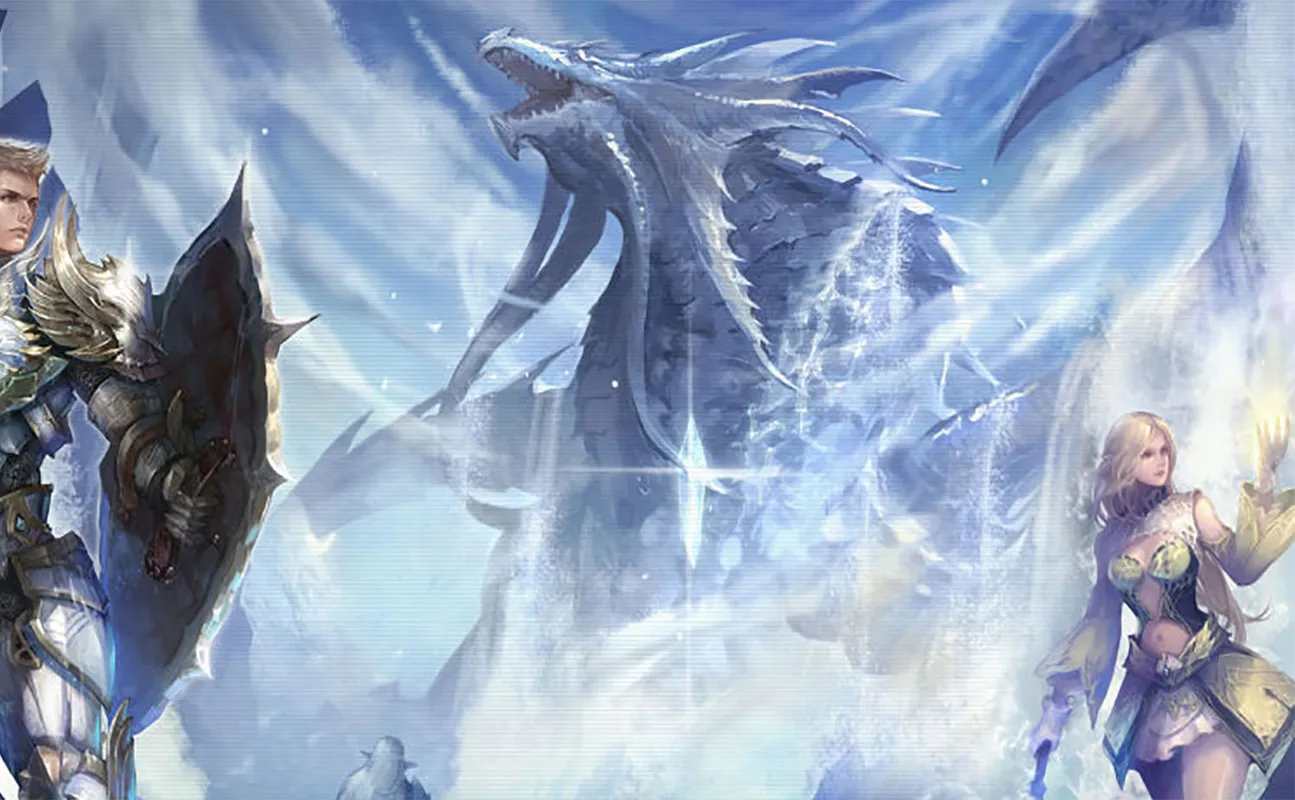
The best Lineage 2 Fafurion private servers are highly specialized, as Fafurion is a modern, high-tier GoD (Goddess of Destruction) evolution chronicle that features advanced instance zones, the underwater dragon boss Fafurion, and modern retail mechanics. Because it is a niche chronicle compared to older ones like Interlude or High Five, only a few stable projects host it reliably.
The top-rated Lineage 2 Fafurion private servers currently active include:
L2 Fafurion (L2Fafurion.net)
This is a dedicated, long-term project built entirely around the Classic Lineage 2 Fafurion concept. It is highly recommended for players who want to jump straight into late-game underwater raid boss content and epic gear progression without an endless leveling grind.
XP Rate: High PvP/PvE (100x)
Key Features: Offers customized weekly updates, specific Fafurion client system patches to prevent lag, 25x Adena rates, and active dungeon-crawling instances.
Website: Discover more on the official L2 Fafurion Server Portal.
Lineage 2 Scarlet – Istina Server
An incredibly stable, multi-server network that has integrated a highly rated Fafurion realm alongside its other high-end GoD platforms. It focuses heavily on dungeon instances and balanced team play.
XP Rate: Mid-to-High (50x)
Key Features: Offers customized weekly updates, specific Fafurion client system patches to prevent lag, 25x Adena rates, and active dungeon-crawling instances.
Website: Access the community hub at the Lineage 2 Scarlet Istina Server.
The top-rated and most populated Lineage 2 private servers are categorized by their style and target community.
Top Low-Rate & Blatantly Non-P2W (Nostalgia & Retail Feel)
These servers prioritize long-term stability, retail mechanics, and strictly ban bots and dual-boxing.
L2 Reborn Widely considered the gold standard for English-speaking communities. It offers a pure x1 retail experience, zero pay-to-win elements, no dual-boxing, and aggressive anti-bot protections.
Elmorelab Highly regarded for its exceptional server stability and use of true retail server files rather than emulators. It captures the original mid-2000s hardcore progression feeling, though it features a heavily Eastern European player base.
Top Mid-Rate & High-Rate PvP Servers (Fast Progression)
These servers prioritize long-term stability, retail mechanics, and strictly ban bots and dual-boxing.
Scryde An incredibly populated, high-end server hub featuring multiple realms ranging from mid-rate x5/x50 to fast-paced x100/x500 options, mostly running the beloved High Five chronicle.
Exilium World A long-running international High Five PvP server. It provides players with a full starter kit, auto-farm features, and active PvP systems that have kept it stable for over a decade.
L2 Amerika Popular for North American and international players, offering an 18-year stable track record with High Five 200x rates, full starter gear kits, and automated combat features.
In , NCSoft’s Lineage 2 exists in a highly fragmented ecosystem split between official modern versions (incorporating heavy automation) and a booming community of custom, low-rate private servers trying to recreate the legendary 2000s era.
Gameplay: A Tale of Two Versions
The gameplay experience drastically differs depending on whether you play on official servers or legacy private servers.
Official Servers (Modern & Automated): Retail Lineage 2 features streamlined questing, faster travel, and integrated auto-farming (botting) systems. The game is built around passive grinding while away from the keyboard, punctuated by active, high-level end-game PvP.
The Private Server Renaissance: A massive segment of the 2026 player base gravitates toward custom "Classic" servers that explicitly disable auto-farm and bots. Gameplay here is defined by an incredibly brutal, slow grind where reaching level 71+ takes weeks of active, manual group-hunting.
Economics: Modern gameplay is heavily tied to real-money transactions (RMT). In-game Adena (gold) can often be bought and resold among players, allowing high-spending users to purchase unlimited progress.
Game Design: Brutal Social Engineering
Lineage 2 remains a case study in hardcore, open-world MMO design that forces player interaction.
Interdependent Class System: Solo play remains a virtual "death sentence". The core design relies on strict, synergistic party compositions across its seven unique races (Humans, Elves, Dark Elves, Orcs, Dwarves, Kamael, and Ertheia). Support classes like healers and buffers are mandatory for survival.
Zero-Protection Social Ecosystem: Unlike modern theme-park MMOs, the game lacks rollbacks or extensive report systems for social betrayals. If a party member steals a rare item drop after hours of grinding, they simply keep it. Trust is a functional, high-stakes mechanic.
Political PvP: The ultimate end-game revolves around scheduled open-world Castle Sieges. Hundreds of players coordinate using siege engines and massive spells to capture fortresses like the Castle of Aden. Winners earn the right to tax local town transactions, fueling real-world political drama, espionage, and shifting alliance networks.
The Players: Tribalism and Nostalgia
The player base is one of the most dedicated, hardcore communities in the MMORPG genre.
Nostalgia-Driven Boom: In , nostalgia has triggered massive player spikes. Specific server launches see over 25,000 simultaneous players, entirely packing starter zones and towns to a level not seen in a decade.
Hardcore Mentality: The audience is primarily composed of older MMO veterans who actively reject the solo-friendly, sanitized design of modern games. They enjoy the risk, the extreme time commitment, and the high-stakes threat of losing progress or equipment.
Core Raid Team Architecture
A standard competitive 9-man party (or multi-party alliance) requires a perfect balance of three core pillars: tanking, buffing, and high-sustained damage.
1. The Tank & Control Core
Shillien Templar (Dark Elf Tank): Widely considered the premier raid tank due to their offensive Vampiric Cubic heals and crowd-control debuffs. They hold boss aggression while absorbing massive physical hits.
Temple Knight (Elf Tank): Brings unmatched defensive shielding and self-cleanses, making them ideal for magical or high-elemental boss fights.
2. The Mandatory Support & Buffer Line
Bladedancer (Dark Elf) & Swordsinger (Elf): Absolutely non-negotiable for PvE raiding. Their stacked physical and magical Dance and Song buffs exponentially multiply the entire party's attack speed, critical damage, and movement speed.
Warcryer (Orc Mage) / Prophet (Human Mage): Responsible for group-wide stat enhancements, ensuring the party has maximum health pool sizes and defensive regeneration.
Shillien Saint (Dark Elf Healer) / Bishop (Human Healer): The dedicated lifeline. While Bishops offer unparalleled burst healing, Shillien Saints are favored in PvE for Empower buffs and critical mana replenishment to keep damage dealers casting.
3. The Damage Dealers (DPS)
Ghost Hunter / Abyss Walker (Dark Elf Dagger): The ultimate physical PvE boss killers. They rely on high-multiplier critical backstabs to melt epic boss health pools rapidly from behind.
Titan (Orc Destroyer): Famous for the high-risk, high-reward strategy of lowering their own health to trigger devastating Frenzy and Guts buffs, unleashing the highest burst physical damage in the game.
Storm Screamer (Dark Elf Wizard): The go-to for magical raid setups, bringing massive elemental damage per second (DPS) from a safe distance.
Key Raid Strategies & Mechanics
Aggression Management: Bosses feature aggressive AI that targets the highest damage dealer. Tanks must constantly cycle hate skills while damage dealers use threat-reduction actions to prevent the boss from turning and wiping out the fragile support backline.
Mana Rotation: Raid fights are prolonged tests of endurance. Healers and damage dealers will deplete their mana quickly. Classes like Elven Elders and Shillien Saints must precisely manage their mana pool rotation to "recharge" teammates without running completely dry themselves.
The Epic Boss Turf Wars: Because epic bosses spawn in the open world rather than instanced dungeons, PvE raiding frequently transitions into PvP. Enemy alliances will intentionally wait until your group has lowered a boss to 10% health before attacking you from behind to steal the rare weapon and jewelry drops.
The best Lineage 2 Fafurion private servers are highly specialized, as Fafurion is a modern, high-tier GoD (Goddess of Destruction) evolution chronicle that features advanced instance zones, the underwater dragon boss Fafurion, and modern retail mechanics. Because it is a niche chronicle compared to older ones like Interlude or High Five, only a few stable projects host it reliably.
The top-rated Lineage 2 Fafurion private servers currently active include:
L2 Fafurion (L2Fafurion.net)
This is a dedicated, long-term project built entirely around the Classic Lineage 2 Fafurion concept. It is highly recommended for players who want to jump straight into late-game underwater raid boss content and epic gear progression without an endless leveling grind.
XP Rate: High PvP/PvE (100x)
Key Features: Offers customized weekly updates, specific Fafurion client system patches to prevent lag, 25x Adena rates, and active dungeon-crawling instances.
Website: Discover more on the official L2 Fafurion Server Portal.
Lineage 2 Scarlet – Istina Server
An incredibly stable, multi-server network that has integrated a highly rated Fafurion realm alongside its other high-end GoD platforms. It focuses heavily on dungeon instances and balanced team play.
XP Rate: Mid-to-High (50x)
Key Features: Offers customized weekly updates, specific Fafurion client system patches to prevent lag, 25x Adena rates, and active dungeon-crawling instances.
Website: Access the community hub at the Lineage 2 Scarlet Istina Server.
| Server Name | XP Rate | Focus Gameplay | Language Community |
|---|---|---|---|
| L2 Fafurion | 100x | PvP Rapid & Epic Boss Raids | International / English |
| Istina (L2 Scarlet) | 50x | Dungeon Crawling & PvE Crafting | International / English |
The top-rated and most populated Lineage 2 private servers are categorized by their style and target community.
Top Low-Rate & Blatantly Non-P2W (Nostalgia & Retail Feel)
These servers prioritize long-term stability, retail mechanics, and strictly ban bots and dual-boxing.
L2 Reborn Widely considered the gold standard for English-speaking communities. It offers a pure x1 retail experience, zero pay-to-win elements, no dual-boxing, and aggressive anti-bot protections.
Elmorelab Highly regarded for its exceptional server stability and use of true retail server files rather than emulators. It captures the original mid-2000s hardcore progression feeling, though it features a heavily Eastern European player base.
Top Mid-Rate & High-Rate PvP Servers (Fast Progression)
These servers prioritize long-term stability, retail mechanics, and strictly ban bots and dual-boxing.
Scryde An incredibly populated, high-end server hub featuring multiple realms ranging from mid-rate x5/x50 to fast-paced x100/x500 options, mostly running the beloved High Five chronicle.
Exilium World A long-running international High Five PvP server. It provides players with a full starter kit, auto-farm features, and active PvP systems that have kept it stable for over a decade.
L2 Amerika Popular for North American and international players, offering an 18-year stable track record with High Five 200x rates, full starter gear kits, and automated combat features.
In , NCSoft’s Lineage 2 exists in a highly fragmented ecosystem split between official modern versions (incorporating heavy automation) and a booming community of custom, low-rate private servers trying to recreate the legendary 2000s era.
Gameplay: A Tale of Two Versions
The gameplay experience drastically differs depending on whether you play on official servers or legacy private servers.
Official Servers (Modern & Automated): Retail Lineage 2 features streamlined questing, faster travel, and integrated auto-farming (botting) systems. The game is built around passive grinding while away from the keyboard, punctuated by active, high-level end-game PvP.
The Private Server Renaissance: A massive segment of the 2026 player base gravitates toward custom "Classic" servers that explicitly disable auto-farm and bots. Gameplay here is defined by an incredibly brutal, slow grind where reaching level 71+ takes weeks of active, manual group-hunting.
Economics: Modern gameplay is heavily tied to real-money transactions (RMT). In-game Adena (gold) can often be bought and resold among players, allowing high-spending users to purchase unlimited progress.
Game Design: Brutal Social Engineering
Lineage 2 remains a case study in hardcore, open-world MMO design that forces player interaction.
Interdependent Class System: Solo play remains a virtual "death sentence". The core design relies on strict, synergistic party compositions across its seven unique races (Humans, Elves, Dark Elves, Orcs, Dwarves, Kamael, and Ertheia). Support classes like healers and buffers are mandatory for survival.
Zero-Protection Social Ecosystem: Unlike modern theme-park MMOs, the game lacks rollbacks or extensive report systems for social betrayals. If a party member steals a rare item drop after hours of grinding, they simply keep it. Trust is a functional, high-stakes mechanic.
Political PvP: The ultimate end-game revolves around scheduled open-world Castle Sieges. Hundreds of players coordinate using siege engines and massive spells to capture fortresses like the Castle of Aden. Winners earn the right to tax local town transactions, fueling real-world political drama, espionage, and shifting alliance networks.
The Players: Tribalism and Nostalgia
The player base is one of the most dedicated, hardcore communities in the MMORPG genre.
Nostalgia-Driven Boom: In , nostalgia has triggered massive player spikes. Specific server launches see over 25,000 simultaneous players, entirely packing starter zones and towns to a level not seen in a decade.
Hardcore Mentality: The audience is primarily composed of older MMO veterans who actively reject the solo-friendly, sanitized design of modern games. They enjoy the risk, the extreme time commitment, and the high-stakes threat of losing progress or equipment.
Core Raid Team Architecture
A standard competitive 9-man party (or multi-party alliance) requires a perfect balance of three core pillars: tanking, buffing, and high-sustained damage.
1. The Tank & Control Core
Shillien Templar (Dark Elf Tank): Widely considered the premier raid tank due to their offensive Vampiric Cubic heals and crowd-control debuffs. They hold boss aggression while absorbing massive physical hits.
Temple Knight (Elf Tank): Brings unmatched defensive shielding and self-cleanses, making them ideal for magical or high-elemental boss fights.
2. The Mandatory Support & Buffer Line
Bladedancer (Dark Elf) & Swordsinger (Elf): Absolutely non-negotiable for PvE raiding. Their stacked physical and magical Dance and Song buffs exponentially multiply the entire party's attack speed, critical damage, and movement speed.
Warcryer (Orc Mage) / Prophet (Human Mage): Responsible for group-wide stat enhancements, ensuring the party has maximum health pool sizes and defensive regeneration.
Shillien Saint (Dark Elf Healer) / Bishop (Human Healer): The dedicated lifeline. While Bishops offer unparalleled burst healing, Shillien Saints are favored in PvE for Empower buffs and critical mana replenishment to keep damage dealers casting.
3. The Damage Dealers (DPS)
Ghost Hunter / Abyss Walker (Dark Elf Dagger): The ultimate physical PvE boss killers. They rely on high-multiplier critical backstabs to melt epic boss health pools rapidly from behind.
Titan (Orc Destroyer): Famous for the high-risk, high-reward strategy of lowering their own health to trigger devastating Frenzy and Guts buffs, unleashing the highest burst physical damage in the game.
Storm Screamer (Dark Elf Wizard): The go-to for magical raid setups, bringing massive elemental damage per second (DPS) from a safe distance.
Key Raid Strategies & Mechanics
Aggression Management: Bosses feature aggressive AI that targets the highest damage dealer. Tanks must constantly cycle hate skills while damage dealers use threat-reduction actions to prevent the boss from turning and wiping out the fragile support backline.
Mana Rotation: Raid fights are prolonged tests of endurance. Healers and damage dealers will deplete their mana quickly. Classes like Elven Elders and Shillien Saints must precisely manage their mana pool rotation to "recharge" teammates without running completely dry themselves.
The Epic Boss Turf Wars: Because epic bosses spawn in the open world rather than instanced dungeons, PvE raiding frequently transitions into PvP. Enemy alliances will intentionally wait until your group has lowered a boss to 10% health before attacking you from behind to steal the rare weapon and jewelry drops.

Irelia
Lead Tech Writer
Irelia translates complex current events into engaging digital and print narratives.
Related Articles & News




Latest News & Articles: Trending
Sites
Best Private Servers
MMO & Private servers