The Evolution of Online Gaming
The evolution of online gaming has transformed a niche hobby for university researchers into a $200+ billion global entertainment industry. What began as text-based commands shared across mainframe computers has expanded into hyper-immersive, persistent virtual worlds shared by billions of players across PCs, consoles, and mobile devices.
970s–1980s: Mainframes, PLATO, and MUDs
Online gaming tracks its origins back to early computer networks like ARPANET
1990s: Dial-Up, LANs, and the First-Person Shooter
The expansion of the consumer internet in the 1990s laid the foundation for modern action and role-playing games.
2000s: Broadband Expansion and Console Integration
High-speed broadband internet replaced dial-up, enabling smoother gameplay, voice communication, and mass-market scale.
2010s: Games-as-a-Service and the Battle Royale
The 2010s shifted the industry away from one-time retail purchases toward ongoing digital platforms.
Modern Era: Cloud, WebGPU, and Hyper-Accessibility
Today, online gaming is focused on eliminating hardware limitations and delivering instant access.
From Retro MMORPGs to Modern Sandbox Survival: The Evolution of Online Gaming
The landscape of multiplayer online gaming has undergone a massive transformation over the last few decades. In the early days, virtual worlds were defined by foundational titles like Ultima Online and EverQuest, which paved the way for the massive social ecosystems we see today. These pioneers proved that thousands of players could inhabit the same space, a concept that exploded into the mainstream with the launch of World of Warcraft and its subsequent expansion era.
As the MMORPG genre entered its golden age, players were spoiled for choice with diverse fantasy worlds. Games like Lineage 2 and Cabal Online introduced intense PvP mechanics and flashy combat, while Guild Wars offered a unique, subscription-free alternative to traditional models. Meanwhile, titles like MapleStory captured audiences with its charming 2D side-scrolling aesthetics, contrasting heavily with the high-fantasy narrative depth found in Lord of the Rings Online.
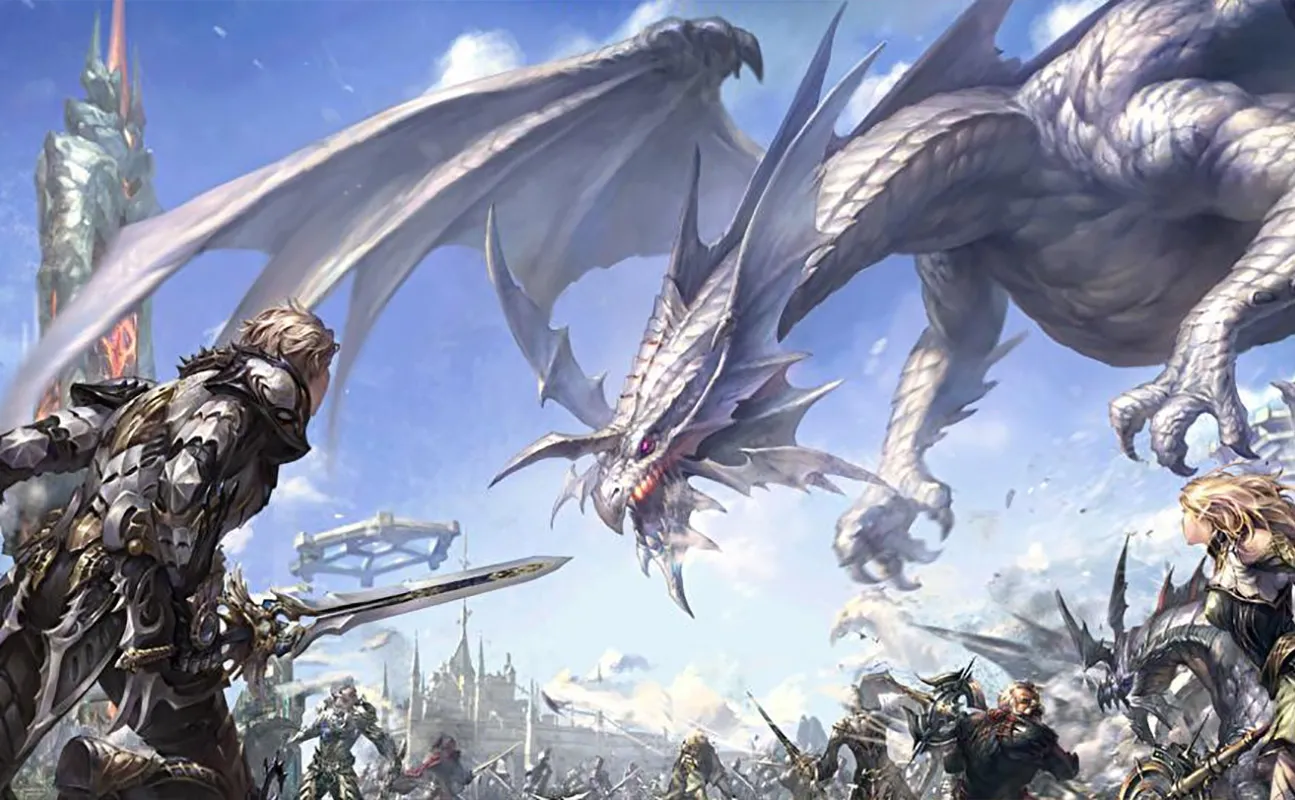
The mid-2000s also saw a massive wave of free-to-play Asian MMORPGs dominate the global market. Games such as Metin 2, MU Online, and SilkRoad Online became staple titles in internet cafes worldwide, known for their dedicated level grinds and competitive community wars. This era also birthed unique niche favorites like the sci-fi corporate warfare of RF Online, the faction-based PvP of Shaiya, the extensive feature set of Runes of Magic, and the beautiful aerial mechanics of Aion Online. Fantasy enthusiasts also flocked to Perfect World for its deep character customization, while others stuck to the classic, timeless charm of RuneScape. Even when sequels emerged, like the transition from the iconic original to EverQuest 2 or Ragnarok Online to Ragnarok Online 2, communities remained fiercely loyal to their preferred versions.
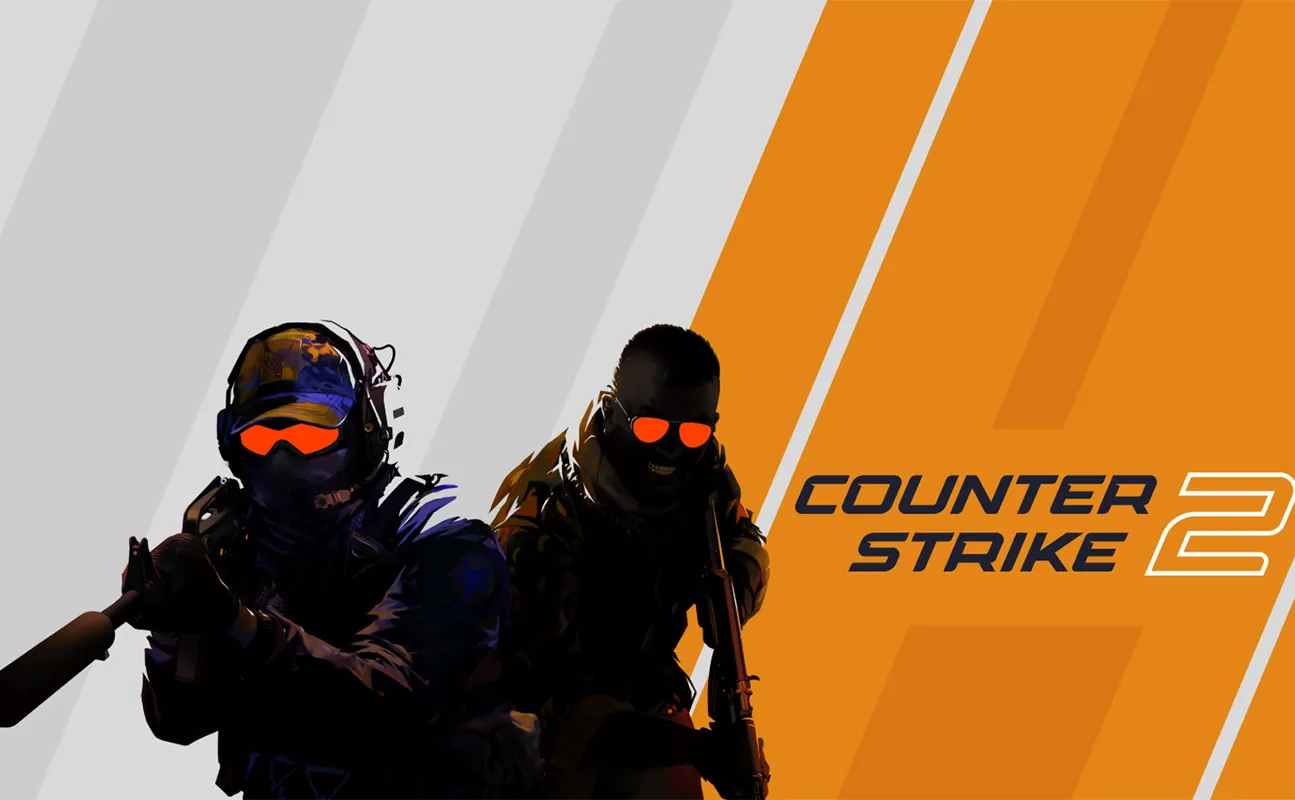
Parallel to the RPG boom, the first-person shooter (FPS) genre was rewriting the rules of competitive gaming. Fast-paced arena shooters like Quake 3 and its successor Quake 4 tested players' raw mechanics and reflexes. However, tactical shooters soon took center stage. What started as a humble mod transformed into a global phenomenon with Counter-Strike. The franchise evolved gracefully through Counter-Strike Source, bringing physics upgrades to the tactical formula, before dominating the modern esports scene with Counter-Strike GO. For those craving large-scale military chaos instead of close-quarters defusal maps, the Battlefield franchise provided the ultimate sandbox for combined arms warfare.
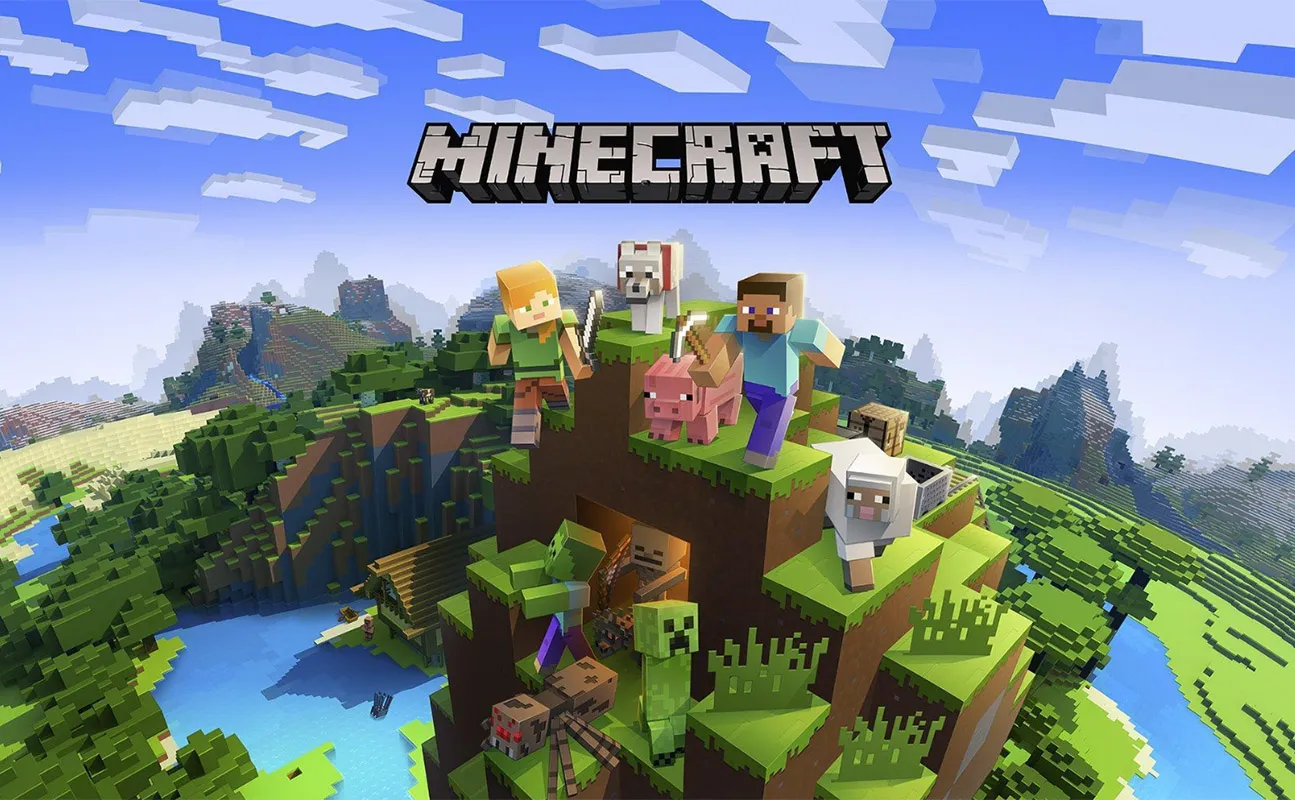
Today, the gaming industry is a beautiful mix of these classic roots and massive modern sandboxes. Players looking for chaotic chaos and high-stakes crime turn to the evergreen world of Grand Theft Auto. Meanwhile, creative minds and survival enthusiasts split their time between building endless voxel worlds in Minecraft or fighting to stay alive against ruthless players in the brutal wilderness of Rust. Whether you are a fan of old-school isometric grinds or cutting-edge tactical shooters, the history of online gaming offers something for every type of player.
970s–1980s: Mainframes, PLATO, and MUDs
Online gaming tracks its origins back to early computer networks like ARPANET
1990s: Dial-Up, LANs, and the First-Person Shooter
The expansion of the consumer internet in the 1990s laid the foundation for modern action and role-playing games.
2000s: Broadband Expansion and Console Integration
High-speed broadband internet replaced dial-up, enabling smoother gameplay, voice communication, and mass-market scale.
2010s: Games-as-a-Service and the Battle Royale
The 2010s shifted the industry away from one-time retail purchases toward ongoing digital platforms.
Modern Era: Cloud, WebGPU, and Hyper-Accessibility
Today, online gaming is focused on eliminating hardware limitations and delivering instant access.
From Retro MMORPGs to Modern Sandbox Survival: The Evolution of Online Gaming
The landscape of multiplayer online gaming has undergone a massive transformation over the last few decades. In the early days, virtual worlds were defined by foundational titles like Ultima Online and EverQuest, which paved the way for the massive social ecosystems we see today. These pioneers proved that thousands of players could inhabit the same space, a concept that exploded into the mainstream with the launch of World of Warcraft and its subsequent expansion era.
As the MMORPG genre entered its golden age, players were spoiled for choice with diverse fantasy worlds. Games like Lineage 2 and Cabal Online introduced intense PvP mechanics and flashy combat, while Guild Wars offered a unique, subscription-free alternative to traditional models. Meanwhile, titles like MapleStory captured audiences with its charming 2D side-scrolling aesthetics, contrasting heavily with the high-fantasy narrative depth found in Lord of the Rings Online.
The mid-2000s also saw a massive wave of free-to-play Asian MMORPGs dominate the global market. Games such as Metin 2, MU Online, and SilkRoad Online became staple titles in internet cafes worldwide, known for their dedicated level grinds and competitive community wars. This era also birthed unique niche favorites like the sci-fi corporate warfare of RF Online, the faction-based PvP of Shaiya, the extensive feature set of Runes of Magic, and the beautiful aerial mechanics of Aion Online. Fantasy enthusiasts also flocked to Perfect World for its deep character customization, while others stuck to the classic, timeless charm of RuneScape. Even when sequels emerged, like the transition from the iconic original to EverQuest 2 or Ragnarok Online to Ragnarok Online 2, communities remained fiercely loyal to their preferred versions.
Parallel to the RPG boom, the first-person shooter (FPS) genre was rewriting the rules of competitive gaming. Fast-paced arena shooters like Quake 3 and its successor Quake 4 tested players' raw mechanics and reflexes. However, tactical shooters soon took center stage. What started as a humble mod transformed into a global phenomenon with Counter-Strike. The franchise evolved gracefully through Counter-Strike Source, bringing physics upgrades to the tactical formula, before dominating the modern esports scene with Counter-Strike GO. For those craving large-scale military chaos instead of close-quarters defusal maps, the Battlefield franchise provided the ultimate sandbox for combined arms warfare.
Today, the gaming industry is a beautiful mix of these classic roots and massive modern sandboxes. Players looking for chaotic chaos and high-stakes crime turn to the evergreen world of Grand Theft Auto. Meanwhile, creative minds and survival enthusiasts split their time between building endless voxel worlds in Minecraft or fighting to stay alive against ruthless players in the brutal wilderness of Rust. Whether you are a fan of old-school isometric grinds or cutting-edge tactical shooters, the history of online gaming offers something for every type of player.

Irelia
Lead Tech Writer
Irelia translates complex current events into engaging digital and print narratives.
Related Articles & News



Latest News & Articles: Trending
Sites
Best Private Servers
MMO & Private servers